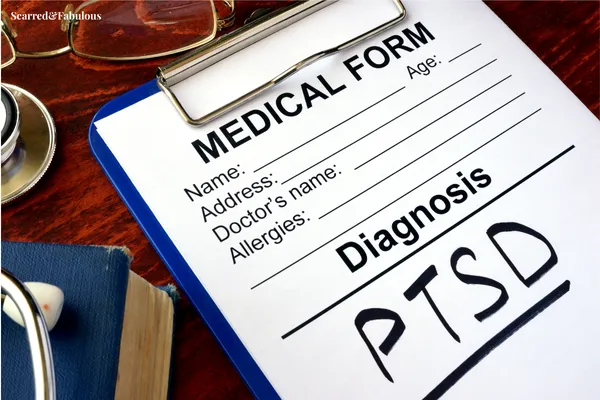
20% of Surgery Patients Develop PTSD - And Doctors Never Warn You
Here's something that'll piss you off: Up to 20% of people develop PTSD after surgery.
Not from botched procedures. Not from malpractice. Just from... surgery.
And yet, not one doctor warned me about this before my 8 major operations.
They warned me about infection. Blood clots. Scarring. Recovery timelines. But not about the panic attacks that would leave me sobbing on my kitchen floor 20 years later. Not about the IBS that no specialist could explain. Not about the rage that came out of nowhere or the feeling like I was watching my life from outside my body.
I had medical PTSD for three decades before anyone connected the dots.
So let's talk about what medical trauma actually is - and why the medical system keeps quiet about it.
What is Medical Trauma?
Medical trauma is your brain and body's response to surgery or medical procedures. It's PTSD - but instead of combat or assault, the trigger is hospitals, needles, anesthesia, and the complete loss of control that comes with being a patient.
Researchers call it "a complex negative psychological and physiological response" to medical treatment. I call it: Your brain trying to protect you from a threat, but getting stuck in panic mode for years.
Here's what shocked me when I finally got diagnosed: You don't need a traumatic surgery to develop medical trauma.
Even smooth-sailing procedures can cause it. Even "successful" operations where everything went according to plan. Because trauma isn't about what the surgeon did on the operating table - it's about what your nervous system experienced. For women, this is especially true, as we are 2x more likely to have already experienced trauma in our lives, such as abuse or assault, that will have weakened our brains against rationalising between necessary surgery and another traumatic attack on the body.
Your brain doesn't care if the surgery was medically necessary or saved your life. All it knows is: threat detected. Danger. No control. Must protect.
And then it gets stuck there.
Can Surgery Actually Cause PTSD? (Spoiler: Fuck Yes)
For years, I struggled with what doctors called "anxiety" and "panic disorder."
I'd have panic attacks in big crowds. Triggered by loud noises. Stressful situations in public would leave me shaking and hyperventilating. Sometimes these episodes would start from absolutely nowhere - even when I was in school or relaxing with friends.
No one - not one therapist or doctor - made the connection between my mental health and my medical history.
I had to put the pieces together myself. And even then, I doubted it. Because my only understanding of PTSD came from war films. I wasn't a combat veteran. I'd never been in the army. So how could I have PTSD?
The fact is: PTSD can stem from any traumatic event. Even if it doesn't fit into the known mold of what trauma is. Even if you think your experience "wasn't bad enough."
Medical PTSD specifically is lesser known and rarely talked about. Which is fucking ridiculous when you consider that research shows approximately 20% of patients experience post-traumatic stress after surgery, with even higher rates in specific surgical groups.
Let me say that again: One in five people.
And nobody's warning you.

Signs You Might Have Medical Trauma
Your trauma response is how you respond to the traumatic event. This could show up immediately after surgery, or years later when something triggers you. When severe, this becomes medical PTSD.
Here are signs you might be living with medical trauma - and I bet your doctor never asked about these:
Mental Health Red Flags
Intrusive memories: Feelings, smells, sights from the hospital keep showing up in your thoughts. You can't get rid of them. Sometimes they take you right back to the exact moment - that's a flashback.
Avoidance: You purposefully avoid hospitals or medical facilities. You skip appointments and check-ups, even though you know it's making things worse. Just the thought of going back makes you feel sick.
Mistrust of medical professionals: If you had traumatic medical experiences as a young child (especially before age 7, when your brain is still developing), you could carry a lifelong mistrust of doctors and nurses. Even as an adult, even when you rationally know they're trying to help, your inner child still identifies them as the people who caused pain.
Dissociation: Medical trauma can cause you to dissociate in stressful situations as a defence mechanism. It feels like being two separate people - one moving your body through the world, and the other watching from outside, unable to control what's happening.
Emotional dysregulation: Difficulty moderating the intensity and quality of your emotions. You might explode in rage over small things, or feel nothing at all when you "should" feel something. This impacts your relationships and leaves you feeling unworthy or unable to speak up for yourself.
Other mental health struggles: Trauma often leads to a constant state of anxiety - a sense of fight-or-flight that never shuts off. This makes you feel on edge all the time, which then spirals into anger issues, irritability, panic attacks, poor sleep, and trouble concentrating. Depression often follows.

The Physical Effects No One Talks About
Here's what they really don't tell you: Being in a constant state of stress for years will destroy your body.
When you live with PTSD and medical trauma, your brain tells your body that you're still in danger. You live on high alert, as if the traumatic event is still ongoing. Your body reacts accordingly.
Some physical symptoms include:
Shaking, sweating, and feeling sick when reminded of your trauma or faced with a trigger (like going to the hospital)
Digestive issues that no specialist can explain (IBS, anyone?)
Sleep disruptions and insomnia
Migraines and chronic headaches
Unexplained weight gain or obesity
Increased risk of cardiovascular disease and diabetes
This happens because cortisol - your body's stress hormone - never goes back to normal.
In a healthy person, cortisol levels spike during stress and then come back down when the threat passes. But when you have PTSD, your cortisol levels stay elevated. Your body thinks you're still in danger, so it keeps pumping out stress hormones.
Over time, this wrecks your digestive system, immune function, sleep patterns, and metabolism.
The Numbing Response (Or: Why You Might Be Self-Sabotaging)
Another symptom of medical trauma is numbing. To try to forget about the traumatic experience, some people seek sensations that will overpower the effects of trauma they feel in their body.
This could look like:
Alcohol or drug use
Binge eating
Risky sexual behaviour
Gambling
Extreme physical sports or dangerous activities
You're not broken or weak. You're trying to feel something other than the fear and hypervigilance that trauma creates.

How to deal with medical trauma
An important first step to coping with or overcoming medical trauma is talking about it.
I know you feel shame. I know you think "my surgery wasn't bad enough to count as PTSD." I know you don't understand how your physical trauma is linked to your mental health. I know you're tired of people telling you to "just be grateful you survived."
But talking about this - with a close friend, family member, or therapist - will start to clear the fog.
Once I started exploring my own history, it became easier to make the links between my mental and physical health. Once I recognised my experience as trauma and called it what it was - PTSD - I felt instant relief. It had a name. I wasn't crazy.
Keeping a diary or mental health tracker can help too. It helps you link your symptoms to certain triggers. You start seeing patterns. And patterns give you power.
What Actually Works for Healing Medical Trauma
Here's what I've learned from my own journey and working with hundreds of women: The number one thing that actually works is becoming self-aware.
Not self-help platitudes. Not toxic positivity. Real, uncomfortable self-awareness.
This means:
Forgiving yourself for the past. You didn't know what you didn't know. You did the best you could with the tools you had. The shame you're carrying isn't helping you heal - it's keeping you stuck.
Understanding what's happening in your brain and body. When you know why you're having panic attacks or digestive issues or rage episodes, you stop thinking you're broken. You start seeing your responses as your nervous system trying to protect you. That changes everything.
Taking back control - one practice at a time. Not all at once. Not perfectly. But consistently. Small shifts compound over time.
Professional support matters too. Trauma-focused therapy like Cognitive Behavioral Therapy (CBT) and Eye Movement Desensitisation and Reprocessing (EMDR) can help you process traumatic experiences and reframe negative thoughts. These therapies are evidence-based and specifically designed for trauma. I'm a coach, not a therapist, so I can't provide trauma treatment - but I can tell you that working with a trauma-informed professional changed my life.
Mindfulness practices, support groups, and community can support your healing too. But let's be real: these aren't quick fixes. Healing from trauma takes time, practice, and often requires professional help alongside your own self-work.
Why I'm Writing About This
For 30 years, I didn't know what was wrong with me.
I cycled through therapists, medications, and self-help books. I tried yoga, meditation, and positive affirmations. Some things helped a little. Nothing fixed the core problem.
Because no one told me I had medical trauma.
I blamed myself for being "too sensitive." I thought I was weak. I was ashamed that I couldn't just "get over it" like everyone else seemed to.
I'm writing this so you don't waste 30 years like I did.
Medical trauma is real. It's common, affecting up to 20% of surgery patients. And it's completely ignored by the medical system that caused it.
That needs to change.
I'm on a mission to make medical trauma part of the conversation. To get doctors to warn patients. To help women recognise what's happening to them and get the help they actually need.
What's Next
I'm writing a book about my journey from childhood patient to discovering I had PTSD from my surgeries to finally healing and taking my power back. It's raw, research-backed, and written for women who are exhausted from pretending they're fine.
The book dives deep into:
How childhood surgery creates trauma patterns that follow you for decades
Why your brain unconsciously seeks out the hospital as a "safe place" (and why that's traumatic)
The tools and techniques I used to rewire my brain and manage my trauma
How to transition from identifying as a patient to reclaiming your power
Want to be part of the book launch team? You'll get early access, behind-the-scenes updates, and a chance to shape how this book reaches the women who need it most. Sign up here
CITED RESOURCES
Medical Trauma Assessments UK
NHS Symptoms - Post-traumatic stress disorder
Treatment Options for PTSD UK
Medical Trauma Aware Clinicians US


